
People type “What Is a Good Design Software Gfxpixelment” into Google because they need reliable tools for creating graphics, logos, social posts, or interface designs. The phrase appears often in search results, yet it does not point to a verified product. No official download page, developer company, consistent documentation, or active user community exists for software called Gfxpixelment. The term mainly surfaces through content sites that describe features without evidence.
This article answers the search directly. It explains why the keyword exists, defines what good design software actually requires, and recommends proven tools used by individuals and technical teams across the United States. The focus stays on practical value, clear comparisons, and decisions that protect your time and data.
Understanding the Search for What Is a Good Design Software Gfxpixelment
Search volume around “What Is a Good Design Software Gfxpixelment” reflects a real need. Designers, marketers, freelancers, and product teams want software that balances power with ease of use. They look for vector tools, photo editing, templates, collaboration features, and export options that work on everyday hardware.
Many results treat Gfxpixelment as an all-in-one platform. Those descriptions stay generic. They list common capabilities found in almost any modern design tool without screenshots, pricing, system requirements that match a real installer, or independent reviews. The pattern matches low-quality pages built to capture keywords rather than deliver working software.
Why No Verified Product Matches the Name
Legitimate design software leaves clear evidence. You find an official website with a download or subscription button. You can check version history, release notes, and support channels. Discussions on forums, Reddit, or professional networks can provide additional insights. Finally, locate the company behind the product and its contact details.
None of these markers appear for Gfxpixelment. The domain that matches the name functions as a content blog. Articles discuss technology and design topics, yet they do not offer a product to install. Independent checks confirm the absence of app-store listings, GitHub repositories, or review platforms that track real usage.
What Makes Design Software Truly Good
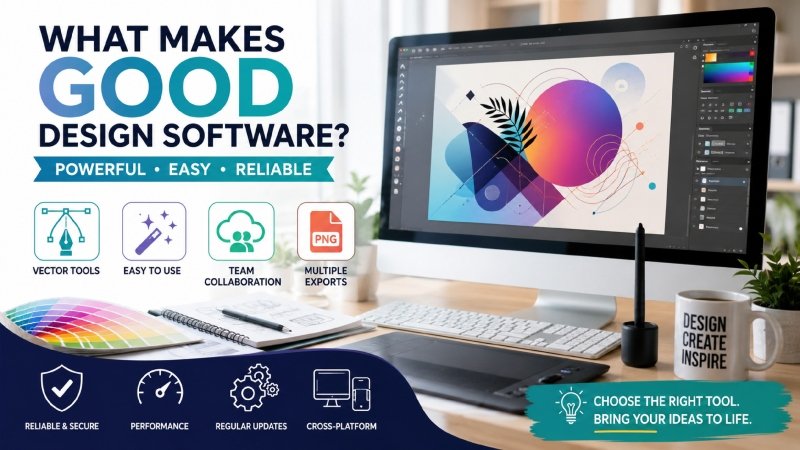
What Is a Good Design Software Gfxpixelment delivers three things. First, it handles the core tasks you need without constant workarounds. Second, it remains stable on the computers and devices most people own. Third, it protects your files and respects your time through clear pricing and reliable updates.
For individual users the priority often sits on speed and simplicity. Templates, drag-and-drop layouts, and quick export options matter more than every advanced setting. For technical teams the priorities shift toward version control, real-time collaboration, component libraries, and integration with development workflows.
Top Real Design Software Options for 2026
The following tools meet the criteria above and see active use across the United States.
| Software | Best For | Pricing Model | Platform Support | Collaboration Strength |
|---|---|---|---|---|
| Canva | Quick social and marketing graphics | Free + paid tiers | Web, desktop, mobile | Strong for teams |
| Adobe Photoshop | Photo editing and complex raster work | Subscription | Desktop, some web | Moderate |
| Adobe Illustrator | Vector logos and precise illustration | Subscription | Desktop | Moderate |
| Affinity Designer | Vector and pixel work without subscription | One-time purchase | Desktop | Limited |
| Figma | UI/UX design and product teams | Free + paid tiers | Web-first | Excellent |
| Pixelmator Pro | Image editing on Mac | One-time purchase | Mac only | Limited |
| GIMP / Inkscape | Free open-source alternatives | Free | Desktop | Limited |
Best Choices for Individual Users
Solo creators and freelancers usually need speed and flexibility. Canva handles most social media, presentation, and light branding tasks with minimal learning time. Its template library and AI-assisted features reduce the hours spent on layout decisions. Users who require deeper photo control often choose Adobe Photoshop or Pixelmator Pro on Mac. Those who focus on logos and scalable graphics turn to Adobe Illustrator or Affinity Designer. The one-time purchase model of Affinity appeals to people who dislike subscriptions.
Start with the free tier of Canva or Figma. Test the workflow on a real project before committing money. Export files in standard formats so you can move work later if needed.
Best Choices for Technical Teams
Product, design, and engineering teams value shared libraries, real-time editing, and handoff features. Figma leads in this area. Designers and developers can work on the same file, leave comments, and maintain consistent components across projects. Larger organizations sometimes combine Figma with Adobe tools for specialized illustration or photo work. Version history and permission controls become essential once more than a few people touch the same assets.
Technical teams should also evaluate export pipelines. Clean SVG, PNG, and design-token output reduce friction with developers. Tools that support plugins or API access scale better as the organization grows.
Pros and Cons of Leading Tools
Pros
- Canva: Fast, beginner-friendly, and offers useful free design features.
- Adobe: Delivers powerful professional editing and illustration tools.
- Affinity Designer: Provides advanced design features without monthly fees.
- Figma: Makes real-time teamwork and browser-based design simple.
- GIMP & Inkscape: Offer capable design tools at no cost.
Cons
- Canva: Limited control for highly complex designs.
- Adobe: Expensive subscription and a steep learning curve.
- Affinity Designer: Fewer advanced collaboration features.
- Figma: Less suitable for heavy illustration work.
- GIMP & Inkscape: Interfaces can take longer to master.
Best Practices for Individuals and Technical Teams
Choose software that matches the majority of your actual work rather than every possible feature. Most people overbuy. Test free tiers and trials with real projects before paying. Keep source files organized from the first day. Clear naming conventions and folder structures save hours later. Export master assets in open formats whenever possible.
For teams, establish simple rules around components, color systems, and version naming. Review access permissions regularly. Back up critical work outside the primary cloud service. Update software when security patches appear. Avoid tools that lack regular maintenance or clear company support. When evaluating any new name that appears in search results, look for independent evidence before investing time or money.
Frequently Asked Questions
Is Gfxpixelment a real design program I can download today?
No verified installer, company, or consistent product documentation exists under that name.
What free design software works well for beginners?
Canva’s free plan and the open-source pair of GIMP plus Inkscape cover most early needs.
Which tool do product teams in the United States use most for UI design?
Figma remains the standard for collaborative interface work.
Should I choose subscription or one-time purchase software?
Subscriptions suit people who need continuous updates and cloud features. One-time purchases such as Affinity suit users who prefer predictable costs.
How do I protect design files from loss or unauthorized access?
Use tools with strong encryption and access controls. Maintain separate backups. Limit edit rights to people who need them.
Can one program handle both social graphics and complex illustration?
Most users combine tools. Canva or Figma cover everyday graphics. Dedicated vector or photo editors handle specialized work.
Conclusion
The search “What Is a Good Design Software Gfxpixelment” leads many people toward unverified claims. Good design software is defined by proven capability, clear ownership, stable performance, and real user support—not by keyword density on a content page. Individuals gain the most from accessible platforms such as Canva or Affinity. Technical teams benefit from collaboration-focused tools such as Figma. Adobe products continue to serve specialized professional needs. Free open-source options remain available when budgets are limited.
Evaluate any software by testing it on actual work. Check independent reviews, company transparency, and data-handling practices. Choose tools that protect both your creative output and your personal or team data. That practical approach delivers better results than chasing names that lack substance.