
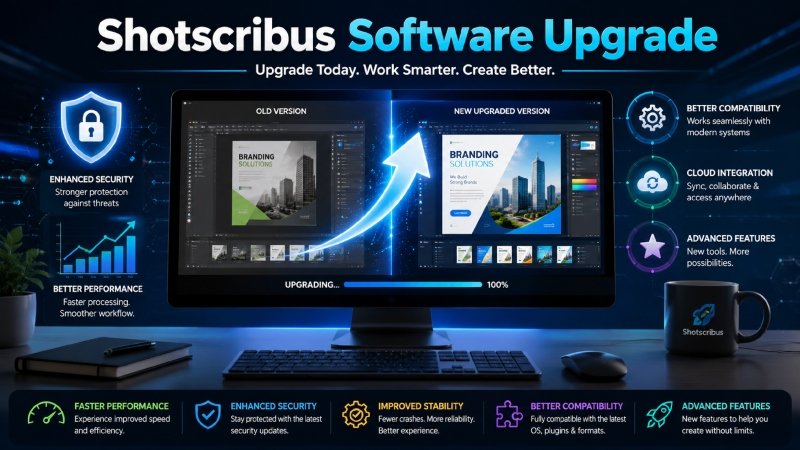
Software plays a critical role in modern publishing, document creation, and workflow management. As technology evolves, older software versions can become slower, less secure, and less compatible with current systems. This is where a Shotscribus Software Upgrade becomes important. Whether you are an individual user managing personal projects or a technical team handling large-scale publishing workflows, upgrading can improve efficiency, security, and overall performance.
This guide explains everything you need to know about a Shotscribus Software Upgrade, including its benefits, preparation steps, implementation process, common challenges, best practices, and long-term advantages. By understanding the upgrade process and following proven recommendations, users can make informed decisions and maintain a secure, productive working environment.
What Is a Shotscribus Software Upgrade?
A Shotscribus Software Upgrade refers to moving from an older version of the software to a newer release designed to improve functionality, performance, and security. Unlike minor updates that mainly address small bugs, a full upgrade often introduces meaningful changes that can affect workflows, user experience, and software capabilities.
An upgrade may include interface improvements, new features, optimized performance, enhanced export options, stronger security protections, and better compatibility with modern operating systems. It is designed to help users keep pace with changing technology requirements while reducing operational risks.
Why Software Upgrades Are Essential Today
Modern software environments change rapidly. Operating systems receive updates, hardware evolves, security threats become more sophisticated, and user expectations continue to grow. Using outdated software can create limitations that affect productivity and security.
One of the primary reasons to perform a Shotscribus Software Upgrade is to maintain compatibility with current technologies. Older versions may struggle to work with modern file formats, cloud storage solutions, printers, or operating systems. Over time, these compatibility issues can create workflow disruptions that impact daily operations.
Key Benefits of a Shotscribus Software Upgrade
Upgrading software provides advantages that extend beyond simply accessing new features. The benefits often influence productivity, stability, and long-term operational efficiency.
Enhanced Performance
Newer versions are typically optimized to run more efficiently. Faster loading times, improved rendering speeds, smoother navigation, and reduced system strain help users complete tasks more quickly and with fewer interruptions. For teams managing multiple projects simultaneously, even small performance improvements can translate into significant time savings over the course of a year.
Improved Security
Cybersecurity remains a growing concern for organizations and individuals alike. Older software versions may contain vulnerabilities that are addressed in newer releases.
Security enhancements often include stronger protection against threats, improved data handling, safer file management processes, and updated authentication mechanisms. These improvements help protect valuable information and reduce exposure to unnecessary risks.
Better Stability
Software crashes, freezes, and unexpected errors can disrupt productivity and create frustration. Upgrades frequently address known bugs and stability issues, resulting in a more reliable experience. A stable system reduces downtime, minimizes troubleshooting requirements, and improves user confidence.
Expanded Functionality
Many upgrades introduce tools that improve workflow efficiency. New capabilities may include advanced formatting options, enhanced export features, smarter automation tools, improved collaboration support, and refined customization settings. These additions can simplify complex tasks and help users achieve better results with less effort.
Comparison of Older and Upgraded Versions
| Feature | Older Version | Upgraded Version |
|---|---|---|
| Performance | Slower processing | Faster and optimized |
| Security | Limited protection | Updated security patches |
| Compatibility | May struggle with new systems | Better support for modern platforms |
| Stability | Higher risk of errors | Improved reliability |
| Features | Basic functionality | Expanded tools and capabilities |
| Workflow Efficiency | More manual processes | Enhanced productivity options |
This comparison demonstrates why many users choose to upgrade rather than continue working with outdated software.
How to Prepare for a Successful Upgrade
Preparation is the most important step in ensuring a smooth transition. Taking time to plan reduces the likelihood of unexpected issues and helps preserve important data. Before starting the upgrade process, users should create complete backups of project files, templates, custom settings, fonts, and related resources. A backup provides a safety net in case any issues occur during installation.
System requirements should also be reviewed carefully. Verifying compatibility with the latest version helps avoid installation failures and performance problems.
How to Complete a Shotscribus Software Upgrade
The upgrade process is generally straightforward when approached systematically. Users should first obtain the installer from a trusted source to ensure authenticity and security.
After downloading the appropriate version, all active projects should be saved and the application should be closed. Running the installer according to the provided instructions typically completes the installation process.
Common Upgrade Challenges and Solutions
Although upgrades are generally successful, some users may encounter minor issues during or after installation.
Plugin compatibility is one of the most common concerns. Certain extensions may require updates before they function correctly with a newer version. Checking compatibility beforehand can prevent disruptions.
Font rendering differences may also appear after an upgrade. Verifying typography settings and reinstalling fonts when necessary usually resolves these issues.
Best Practices for Individual Users and Technical Teams
For individual users, the most effective strategy is to keep backups current and install updates during periods when active projects are not at critical stages. This reduces pressure and provides time to address any unexpected issues.
Technical teams should establish a structured upgrade process that includes testing on a limited number of systems before organization-wide deployment. This approach allows teams to identify compatibility concerns and implement solutions before larger rollouts. Regular documentation, version tracking, workflow testing, and staff training also contribute to successful upgrades. When users understand new features and interface changes, adoption becomes smoother and productivity remains high.
Pros and Cons of Upgrading
Pros
- Delivers significantly faster performance, boosting workflow speed and overall productivity.
- Strengthens security with updated protections against vulnerabilities and cyber threats.
- Ensures seamless compatibility with modern operating systems, tools, and technologies.
- Unlocks powerful new features that enhance functionality and user efficiency.
- Improves software stability by reducing crashes, errors, and unexpected interruptions.
- Creates a smoother and more reliable user experience for both individuals and teams.
Cons
- Major upgrades may require dedicated testing and adjustment before full adoption.
- Some plugins, extensions, or third-party integrations may need updates for compatibility.
- Interface changes can temporarily slow users while they adapt to the new environment.
- Large organizations may need additional planning and coordination for successful deployment.
- Initial implementation may consume time and resources, especially in complex workflows.
- Compatibility checks may be necessary to ensure critical projects continue running smoothly.
Frequently Asked Questions
Is a Shotscribus Software Upgrade necessary if my current version works?
Yes. Even if the software appears to function correctly, upgrades often provide important security improvements, compatibility updates, and performance enhancements.
Can I lose my files during the upgrade process?
Data loss is uncommon when proper backups are created before installation. Maintaining backups remains a recommended safety measure.
How long does an upgrade typically take?
Most installations are completed within minutes, although testing and validation may require additional time.
Should technical teams test upgrades before deployment?
Yes. Testing allows organizations to identify compatibility issues and verify workflows before implementing upgrades across multiple systems.
Can I return to an older version if necessary?
In many situations, users can reinstall a previous version if they maintain installation files and backups.
Conclusion
A Shotscribus Software Upgrade is one of the most effective ways to improve software performance, strengthen security, enhance stability, and maintain compatibility with modern technology. While upgrades require preparation and testing, the long-term benefits often outweigh the temporary effort involved.
By creating backups, reviewing requirements, testing workflows, and following a structured implementation process, both individual users and technical teams can complete upgrades with confidence. Staying current with software releases not only improves productivity but also helps protect valuable data and maintain reliable operations.